
Garden planning
How much to plant per person
How many tomato plants does a family need? How long a row of carrots? This planning chart gives the amount to grow per person for fresh eating and for preserving, using figures from university extension services, then works out a family-of-four example and the harvest you can expect.
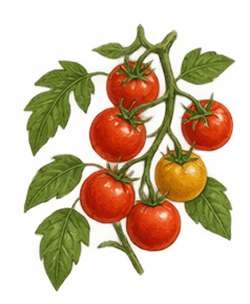
Vegetables and herbs: amount per person
Amounts are per person for one season. "Row" means a single row at the spacing in each crop's guide. Expected harvests use typical yields from our yield chart, so treat them as rough estimates.
| Crop | Per person, fresh | Per person, to preserve | Family of 4, fresh | Expected harvest (4 people) |
|---|---|---|---|---|
 Beet | 1.5–3 m (5–10 ft) of row | 3–6.1 m (10–20 ft) of row | 6–12 m (20–40 ft) of row | ≈ 9–18 kg (20–40 lb) |
 Bell pepper | 2–3 plants | — | 8–12 plants | ≈ 2–3 kg (5–8 lb) |
 Broccoli | 5–10 plants | 5–10 plants | 20–40 plants | ≈ 13–25 kg (28–56 lb) |
 Cabbage | 3–5 plants | 3–5 plants | 12–20 plants | ≈ 9–15 kg (19–32 lb) |
 Carrot | 1.5–3 m (5–10 ft) of row | 3–4.6 m (10–15 ft) of row | 6–12 m (20–40 ft) of row | ≈ 9–18 kg (20–40 lb) |
 Cauliflower | 3–5 plants | 5–10 plants | 12–20 plants | ≈ 9–15 kg (19–32 lb) |
 Cherry tomato | 3–5 plants | 5–10 plants | 12–20 plants | — |
 Chili pepper | 2–3 plants | — | 8–12 plants | — |
 Cucumber | 2–3 hills | 3–5 hills | 8–12 hills | — |
 Eggplant | 2–3 plants | 2–3 plants | 8–12 plants | ≈ 4–6 kg (9–13 lb) |
 Green beans | 3–4.6 m (10–15 ft) of row | 6.1–9.1 m (20–30 ft) of row | 12–18 m (40–60 ft) of row | ≈ 15–41 kg (32–90 lb) |
 Kale | 1.5–3 m (5–10 ft) of row | 3–4.6 m (10–15 ft) of row | 6–12 m (20–40 ft) of row | ≈ 6–13 kg (14–28 lb) |
 Lettuce | 1.5–3 m (5–10 ft) of row | — | 6–12 m (20–40 ft) of row | ≈ 5–9 kg (10–20 lb) |
 Onion | 7.6–15.2 m (25–50 ft) of row | — | 30–61 m (100–200 ft) of row | ≈ 45–91 kg (100–200 lb) |
 Peas | 3–4.6 m (10–15 ft) of row | 7.6–9.1 m (25–30 ft) of row | 12–18 m (40–60 ft) of row | ≈ 4–5 kg (8–12 lb) |
 Potato | 15.2–30.5 m (50–100 ft) of row | — | 61–122 m (200–400 ft) of row | ≈ 136–272 kg (300–600 lb) |
 Radish | 1.5–3 m (5–10 ft) of row | — | 6–12 m (20–40 ft) of row | ≈ 20–40 bunches |
 Spinach | 1.5–3 m (5–10 ft) of row | 3–4.6 m (10–15 ft) of row | 6–12 m (20–40 ft) of row | ≈ 6–13 kg (14–28 lb) |
 Sweet corn | 4.6–7.6 m (15–25 ft) of row | 9.1–15.2 m (30–50 ft) of row | 18–30 m (60–100 ft) of row | ≈ 60–100 ears |
 Swiss chard | 1.5–3 m (5–10 ft) of row | 3–4.6 m (10–15 ft) of row | 6–12 m (20–40 ft) of row | ≈ 7–14 kg (15–30 lb) |
 Tomato | 3–5 plants | 5–10 plants | 12–20 plants | ≈ 20–34 kg (45–75 lb) |
 Winter squash | 3–5 hills | — | 12–20 hills | — |
 Zucchini | 2–3 hills | — | 8–12 hills | — |
Per-person amounts: University of Missouri Extension. Expected harvests multiply those amounts by the typical yields in each crop guide. Some per-person figures cover a whole crop group, for example peppers or tomatoes in general.
Berries: plants for a family
| Fruit | Plants for 4 people | Expected harvest | First crop |
|---|---|---|---|
 Blackberry | About 6 erect plants, or 2 semi-trailing plants, for a family of four. | 4–54 kg (8–120 lb) a year once plants are mature | Bears from about the second year. Plants stay productive for 5–20 years depending on type. |
 Blueberry | About 6 highbush plants for a family of four. | 14–30 kg (30–66 lb) a year once plants are mature | Starts bearing about three years after planting and can live 20–30 years. |
 Raspberry | About 6 plants for a family of four. | 5–11 kg (12–24 lb) a year once plants are mature | Bears from about the second year and stays productive for 5–10 years. |
 Strawberry | About 50 plants for a family of four. | 7–11 kg (17–25 lb) a year once plants are mature | Fruits within about 13 months of planting and crops well for up to four years. |
Plant counts and bearing ages: NC State Extension Gardener Handbook and University of Missouri Extension.
How to use these numbers
- List what you actually eat. A big row of a crop nobody likes is wasted space, however well it yields.
- Decide fresh or preserve. Freezing, canning or storing roughly doubles the space for many crops.
- Multiply by your household. For example, for four people that's 12–20 plants of tomatoes, which should give roughly 20–34 kg (45–75 lb) over the season.
- Stagger quick crops. Radishes, lettuce and spinach are better sown in small batches every few weeks than all at once, so the harvest doesn't arrive in one glut.
- Check your timing. The harvest calendar shows when each crop comes in.
We couldn't find reliable per-person figures for basil, garlic, pumpkin, so they're left out rather than guessed.
Adjust after your first season
Planning charts are a starting point. After one season of writing down what you pick, you'll know whether four zucchini plants were two too many. Our guide on tracking your garden harvest shows simple ways to keep that record.
Track it
Plan next year from this year's harvest
Harvest Journal adds up every picking per crop, so next spring you'll know exactly how much to plant.


Prefer paper? Make a free harvest report PDF in your browser, with no account needed.
Garden planning FAQ
How many tomato plants do I need per person?
University of Missouri Extension suggests 3 to 5 tomato plants per person for fresh eating, and 5 to 10 if you also want to can or freeze tomatoes.
How big a garden do I need to feed a family of four?
It depends on what you grow and whether you want to preserve food. Add up the row lengths and plant counts in the table for the crops you eat most. Start with a few crops you love rather than trying to grow everything in the first year.
What is a hill in a planting guide?
A hill is a single spot where a small group of plants is grown together, rather than a straight row. Extension guides use it for sprawling crops like cucumbers, squash and melons.
How many strawberry plants do I need for a family?
NC State Extension suggests about 50 plants for four people. University of Missouri Extension suggests 25 to 50 for fresh eating, plus more if you want to freeze berries.
Sources
Per-person amounts and yields come from these publications.
- University of Missouri Extension — Vegetable Planting Calendar (G6201), Table 1
- Montana State University Extension — Planting a Successful Home Vegetable Garden (MontGuide MT199502AG)
- NC State Extension Gardener Handbook — Chapter 14, Small Fruits (Table 14–1)
- Royal Horticultural Society (RHS) — Blueberries: grow your own
- Mississippi State University Extension — Vegetable Garden Planting Guide